

How to Maximize Your Nissan's MPG or Skip the Pump Entirely
If you've pulled up to a pump anywhere in the Valley this week, you already felt it. Phoenix gas prices have surged to $4.63 a gallon for regular (as of March 29), up roughly $1.30 compared to this time last year, and analysts aren't promising quick relief. Here's what's driving it, and six proven ways to make every gallon in your Nissan count more starting today.
Why Are Arizona Gas Prices So High Right Now?
Two things are happening at once. First, global oil markets are reacting to disruptions in the Strait of Hormuz, pushing crude prices higher across the board. Second, and this is specific to Arizona, refineries are doing their annual spring maintenance cycle while simultaneously switching from winter to summer gasoline blends. That local supply crunch is a big reason Phoenix is running well above the national average right now.
This is Arizona's 2nd-largest month-over-month increase in gas prices in over 30 years, according to AAA. Economists at ASU's W. P. Carey School of Business have warned prices could approach $6 a gallon if oil supply disruptions continue.
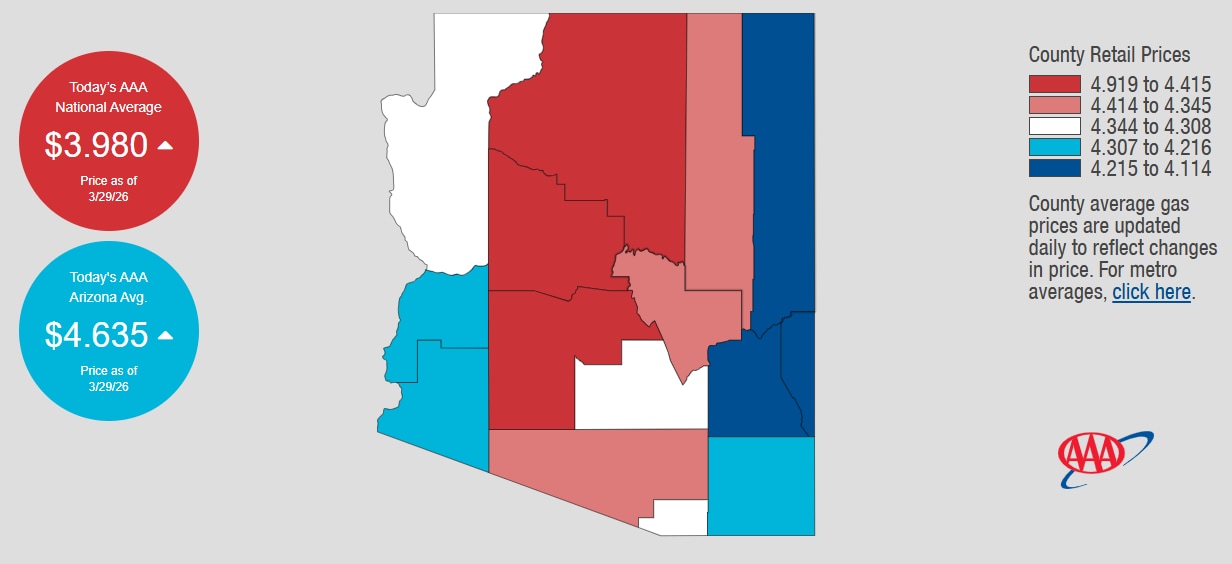
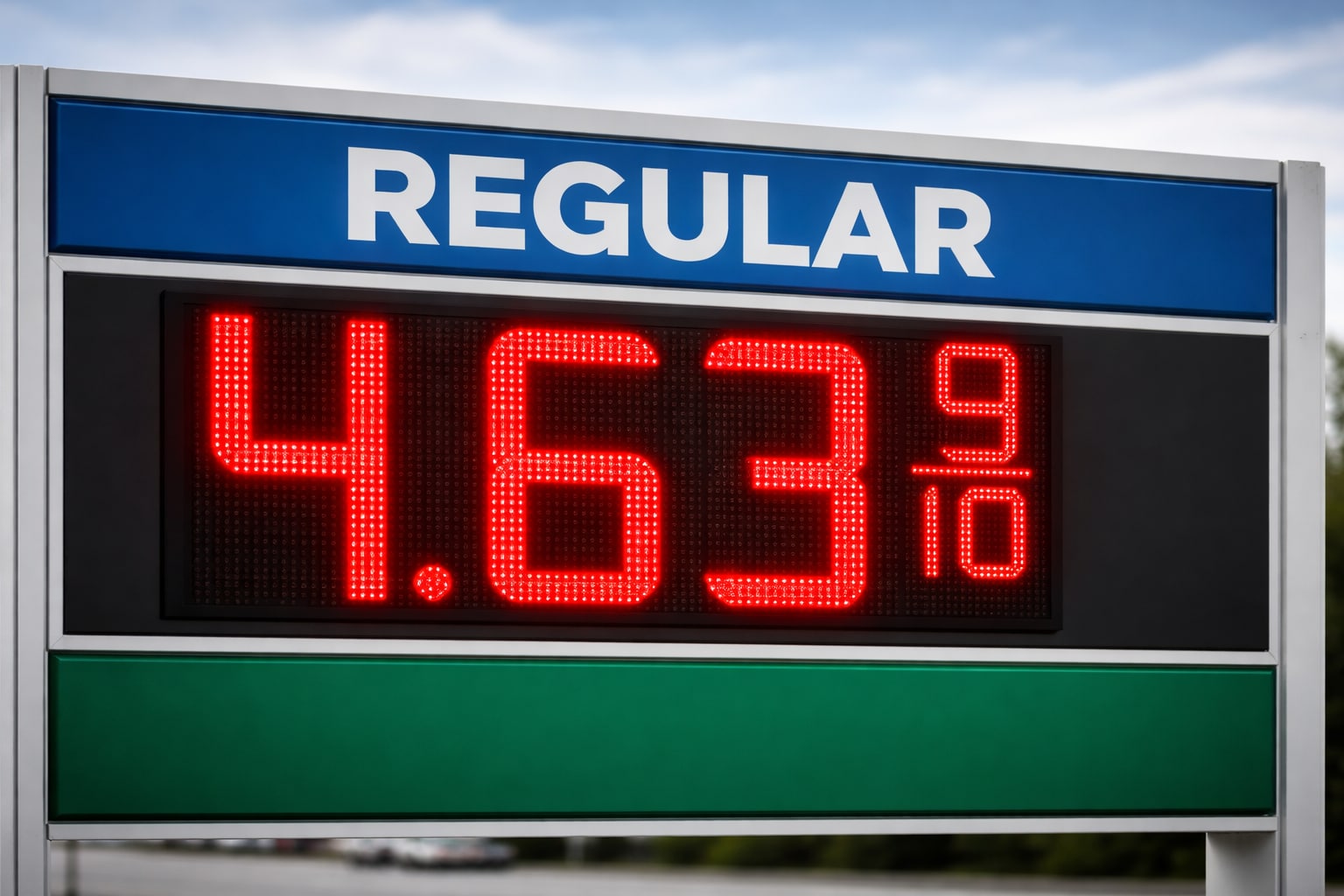
The summer blend switch happens every year, but prices typically recover by late April or May. The wild card this year is the overseas supply situation, and that's outside anyone's control. What you can control is how efficiently your Nissan uses the gas you're buying.
6 Ways to Improve Your Nissan's Fuel Economy in the Phoenix Heat
These aren't generic tips, they're calibrated for Arizona driving conditions, Valley traffic patterns, and the specific ways Phoenix heat affects your vehicle.
1. Combine Errands - Stop Making Multiple Short Trips
Every cold engine start burns extra fuel. A car running on a warm engine is significantly more efficient than one that's just been started. Plan a single consolidated loop around the West Valley instead of multiple trips. Use navigation to dodge backups on I-10, Loop 101, and the 303, idle time is wasted gas at today's prices.
2. Use Your A/C Smarter - It's Unavoidable in Phoenix, But Costly
Air conditioning can increase fuel consumption by up to 10% in city driving, and in Phoenix, you simply can't avoid it. The trick: roll your windows down for 60 seconds first to let the superheated cabin air escape, then let the A/C maintain temperature rather than fight to cool a 150-degree interior from scratch. At freeway speeds (Loop 101, I-10), A/C is actually more efficient than open windows fighting aerodynamic drag.
Related: Prepare Your Car's AC for Arizona Summer
3. Slow Down and Drive Smoother
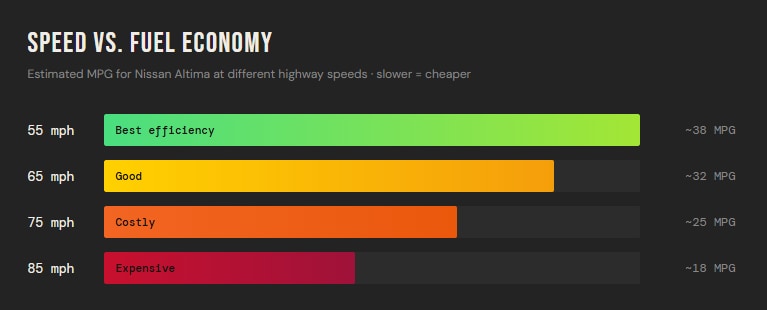
Aggressive acceleration and hard braking are two of the biggest fuel killers on Valley surface streets. Anticipate traffic lights, coast to stops, and ease into the throttle. At highway speeds, every 10 mph over 65 costs you measurably at the pump, a Nissan Altima driving 55 mph gets roughly 38 MPG; the same car at 75 mph drops to around 25 MPG. That difference is real money at $4.43 a gallon.
4. Schedule Spring Service - Now More Than Ever
Read: Comprehensive Nissan Maintenance Checklist
A poorly maintained engine can reduce your fuel economy by up to 20%. Refineries are mid-maintenance cycle right now, switching to summer blends. That means supply is tight and prices are elevated, the worst possible time for your Nissan to be running below peak efficiency. Oil changes, air filter replacements, and fresh spark plugs all directly affect how hard your engine works and how much fuel it burns.
Schedule service today at Coulter Nissan in Surprise
5. Check Your Tire Pressure - Arizona Heat Makes This Critical
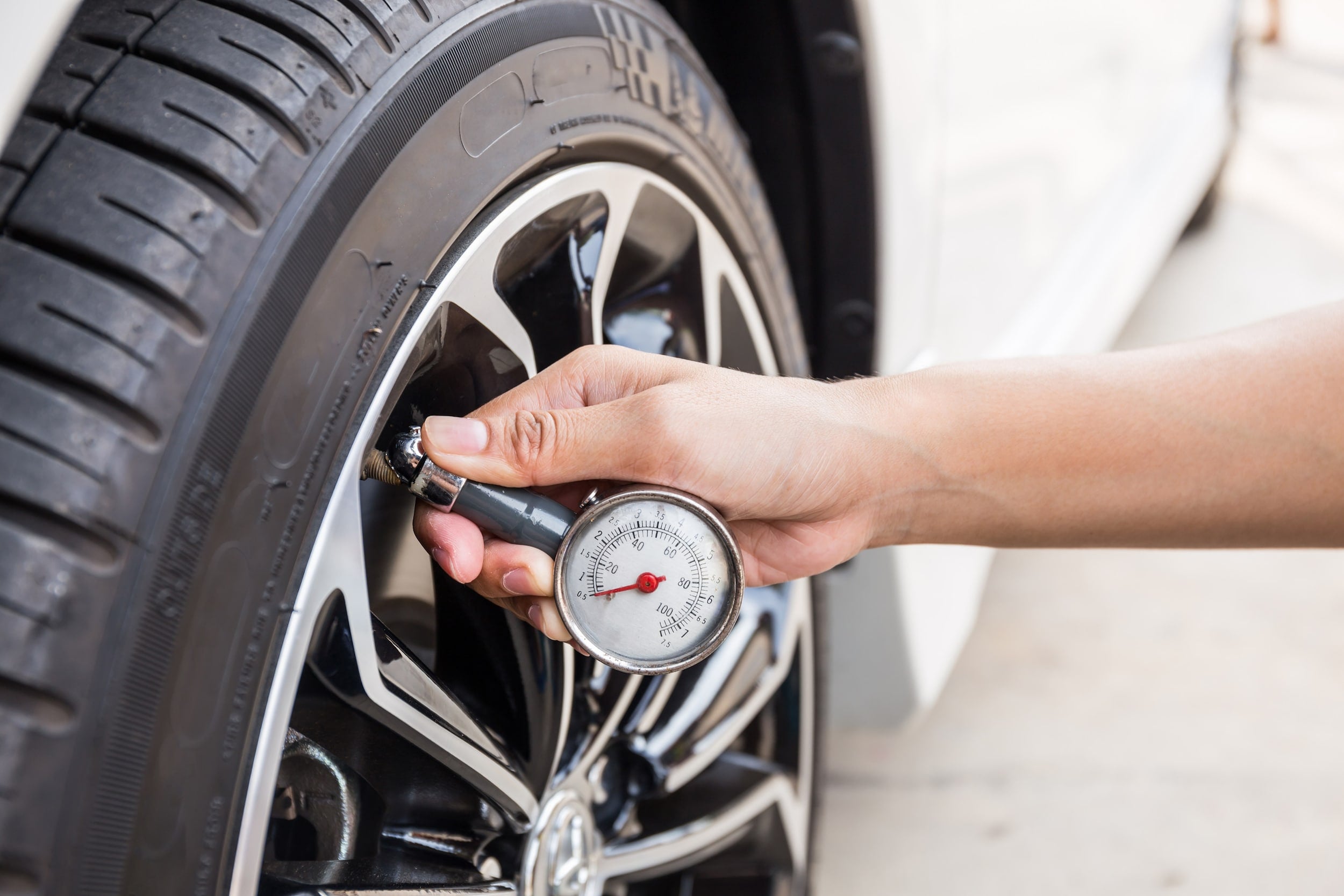
Under-inflated tires increase fuel consumption by up to 6% and wear faster in Phoenix's extreme pavement temperatures. Check your pressure in the morning before the day's heat inflates the reading and masks the true number. It takes two minutes. Saves money every single week. Find the correct PSI on the sticker inside your driver's door jamb, not on the tire sidewall.
6. Lighten Your Load
An extra 100 pounds in your trunk measurably reduces your MPG. If you're hauling around golf clubs, sports gear, tools, or anything else that doesn't need to be there, take it out. When gas costs $4.43 a gallon, dead weight is expensive. Check your roof rack too: even an empty rack adds aerodynamic drag at highway speeds.
Apply all six of these tips, and you could realistically improve your average MPG by 25–30%, saving over $1,200 a year at current Phoenix prices.
Bonus Tip: Don't Pay for Premium - You're Probably Wasting Money
Unless your Nissan's owner manual specifically calls for premium fuel, stick to regular unleaded. Higher-octane gas does not improve fuel economy or performance in engines designed for regular gas. With Phoenix prices this high, paying extra for premium fuel you don't need is burning money twice, once at the pump and again because it doesn't help.
Finding the Cheapest Gas in the Valley
Apps like GasBuddy and Google Maps show real-time gas prices at stations near you. In general, stations in Surprise, Goodyear, and Buckeye tend to run cheaper than those in Scottsdale or Tempe. Costco Wholesale in Surprise and Goodyear frequently posts some of the lowest prices in the Valley, worth the membership if you're filling up regularly. Check prices before you leave the house, not when your tank is already on E.
Tired of Paying for Gas? There's a Longer-Term Answer.
The tips above will save you real money starting today. But if you're ready to think longer-term, two Nissan models arriving at Coulter Nissan right now let Phoenix drivers dramatically cut, or completely eliminate, their fuel costs. And for Valley commuters, the math is genuinely compelling.
2026 Nissan Rogue Plug-In Hybrid - Best for Valley Commuters

- All-electric range: ~38 miles EPA est.
- Total range (hybrid): 420 miles
- Combined fuel economy: 64 MPGe
- Home charge time (Level 2): ~7.5 hrs overnight
- Starting MSRP: From $45,990
- Seating: 7 passengers
The average Valley daily commute is under 30 miles round-trip. Most Rogue PHEV owners would run almost entirely on electricity Monday–Friday, only touching gas for weekend road trips or longer drives. At $4.63/gal, that's a very different monthly fuel bill.
2026 Nissan LEAF - Zero Gas, Ever
- All-electric range: ~303 miles EPA est.
- Cost per gallon: $0
- DC fast charge (10–80%): ~30 minutes
- Body style: Crossover SUV (completely redesigned for 2026)
- Award: Car and Driver Editors' Choice 2026
- Home charger install credit: Federal, through June 2026
The LEAF is completely redesigned for 2026 as a proper crossover SUV, not the hatchback you remember. 303 miles of range covers everything, including a Phoenix–Flagstaff–Sedona weekend without charging anxiety.
Incentive transparency: The federal Clean Vehicle Credit expired September 30, 2025, and Arizona currently does not offer a state EV rebate. However, a federal tax credit for home EV charger installation remains available through June 30, 2026. Consult your tax professional for details. At Coulter Nissan, we'll never oversell incentives that no longer exist.
Let's Make Sure Your Nissan Is Running at Peak Efficiency
Schedule service at Coulter Nissan in Surprise. We'll check your oil, filters, tire pressure, and everything else that affects how far each gallon takes you.
Phoenix Gas Prices & Fuel Efficiency FAQ
Q: Why is gas so expensive in Phoenix right now?
A: Two things are happening simultaneously. Globally, oil markets are reacting to supply disruptions in the Strait of Hormuz, that pushes crude prices higher for everyone. Locally, Arizona refineries are in their annual spring maintenance cycle while also switching from winter to summer gasoline blends. That dual supply crunch is why Phoenix is running well above the national average right now. ASU's W. P. Carey School of Business has warned that if global disruptions continue, Arizona could see prices approaching $6 a gallon.
Q: How can I improve my Nissan's fuel economy?
A: The six highest-impact changes are: combining errands into one trip, using A/C strategically, driving at steady moderate speeds, keeping up with spring maintenance, checking tire pressure regularly, and removing unnecessary weight from the vehicle.
Q: Does running the A/C really hurt gas mileage in Phoenix?
A: Yes, A/C can reduce fuel economy by up to 10% in city driving. In Phoenix that's unavoidable, but you can minimize the hit by venting hot air first and letting A/C maintain temperature.
Q: Where is the cheapest gas in the West Valley?
A: Stations in Surprise, Goodyear, and Buckeye consistently run cheaper than those in Scottsdale or Tempe. Costco locations in Surprise and Goodyear often have the lowest prices.
Q: Is the 2026 Nissan Rogue PHEV a good choice for Phoenix commuters?
A: Yes, its ~38-mile electric range covers most daily commutes, meaning many drivers use little to no gas during the week.
Q: What is the range of the 2026 Nissan LEAF?
A: Approximately 303 miles of all-electric range per EPA estimates.
Q: Are there EV tax credits or rebates available in Arizona in 2026?
A: The federal EV purchase credit expired in 2025, and Arizona has no state rebate. A federal home charger tax credit remains available through June 30, 2026.
Q: How much money can I save by improving my MPG?
A: Improving from 20 MPG to 30 MPG can save over $1,200 annually at current gas prices.
Q: When will Arizona gas prices go back down?
A: Typically by late April or May as refineries complete maintenance, though global oil conditions will influence timing.
Disclaimer
MPG and range figures are EPA estimates; actual results vary by driving conditions, climate, vehicle configuration, and maintenance status. Gas price data based on Phoenix metro averages as of March 2026. Fuel cost savings calculations are estimates based on 15,000 annual miles at $4.43/gallon and should not be considered a guarantee.