

Best Cars for Extreme Heat (Why It Matters More Than You Think)
What Actually Holds Up When It's 115 Outside

Anyone who's owned a car through a real Arizona summer knows the drill. The dash cracks a little more every July. The battery that was "fine" in June is dead by September. And somewhere around year two, the A/C that used to feel like a walk-in freezer starts feeling more like a mild suggestion.
That's what heat does to a car, every single day, regardless of whether you notice it.
So when people ask what the best cars for extreme heat actually are, the honest answer isn't a brand or a badge. It's a specific set of things a vehicle needs to get right, mile after mile, summer after summer. Here's what those things are, and why so many Valley drivers end up in a Nissan when they're shopping with this climate in mind. If you already know you want to see what's on the lot, you can browse Coulter Nissan's new inventory any time.
Why Heat Is Harder on a Car Than Cold
Cold weather gets all the press in maintenance guides, but Arizona drivers know better. Heat is the tougher test.
Batteries degrade faster in high heat. That's why a battery that would've lasted five winters in Minnesota might only make it two summers here. Fluids break down quicker, too. Motor oil, coolant, transmission fluid, they all age faster under sustained triple-digit heat, especially with stop-and-go traffic layered on top. Belts, hoses, and tires bake and disintegrate.
Then there's the A/C system itself, which is working overtime almost year-round here rather than just a few weeks a year. A system built for occasional 90-degree days is not the same piece of engineering as one that needs to run flat-out from May through October.
Interior materials take a beating, too. Dashboards fade and crack. Seat foam breaks down faster. Rubber seals dry out sooner.
What to Look For If You Want a Car That Can Actually Take This Heat
Before getting into specific models, here's what separates a car that holds up from one that doesn't
- A climate control system rated to handle sustained high temperatures, not just a big number on the dial
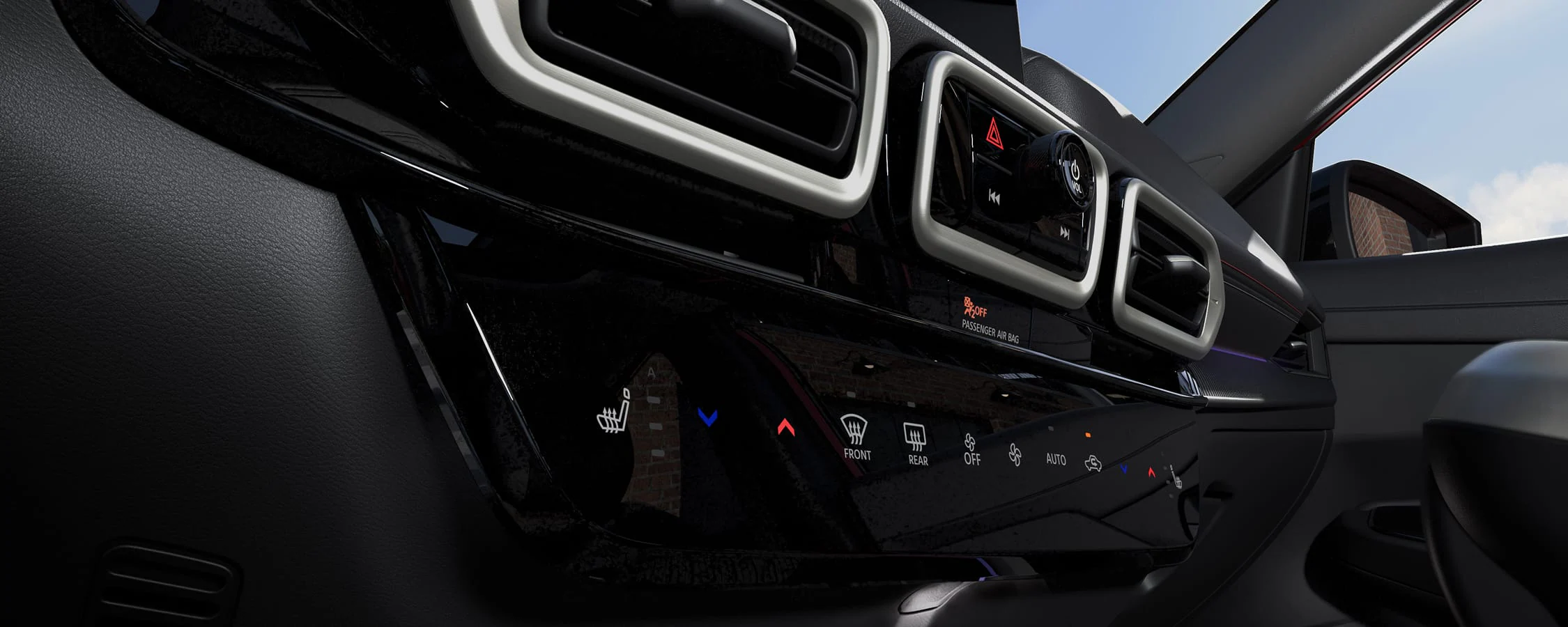
- Ventilated seats, which cool you directly instead of just cooling the air around you
- Heat-rejecting glass, which cuts down how much solar heat even gets into the cabin
- A cooling system with a real track record, not just good specs on paper
- Battery and electrical systems designed with heat tolerance in mind
Which Cars Actually Have the Best A/C for This Kind of Heat?
The cars with the best A/C aren't necessarily the ones that blast the coldest air for the first 10 seconds. They're the ones that can sustain that cold air for hours, day after day, without the compressor working itself into an early grave.
A few things tend to separate the strong systems from the weak ones. Dual-zone and tri-zone automatic climate control recovers faster after a car's been baking in a parking lot than a basic single-zone setup. Available ventilated seats matter more than most buyers expect, especially once you've sat down on leather that's been sitting in the sun for six hours. And a clean, well-maintained cabin air filter makes almost as much difference as the A/C hardware itself. This is a big one in Arizona's dust and monsoon season, when a clogged filter can make a perfectly healthy system feel weak.
Related read: The Arizona Driver Guide to a Cooler Car This Summer
If A/C performance is the deciding factor for you, don't just trust the spec sheet. Test drive the car mid-afternoon, not at 9 a.m. How it performs after 20 minutes in a hot lot tells you a lot more than the brochure does.
The Best Cars for Arizona Heat, Specifically
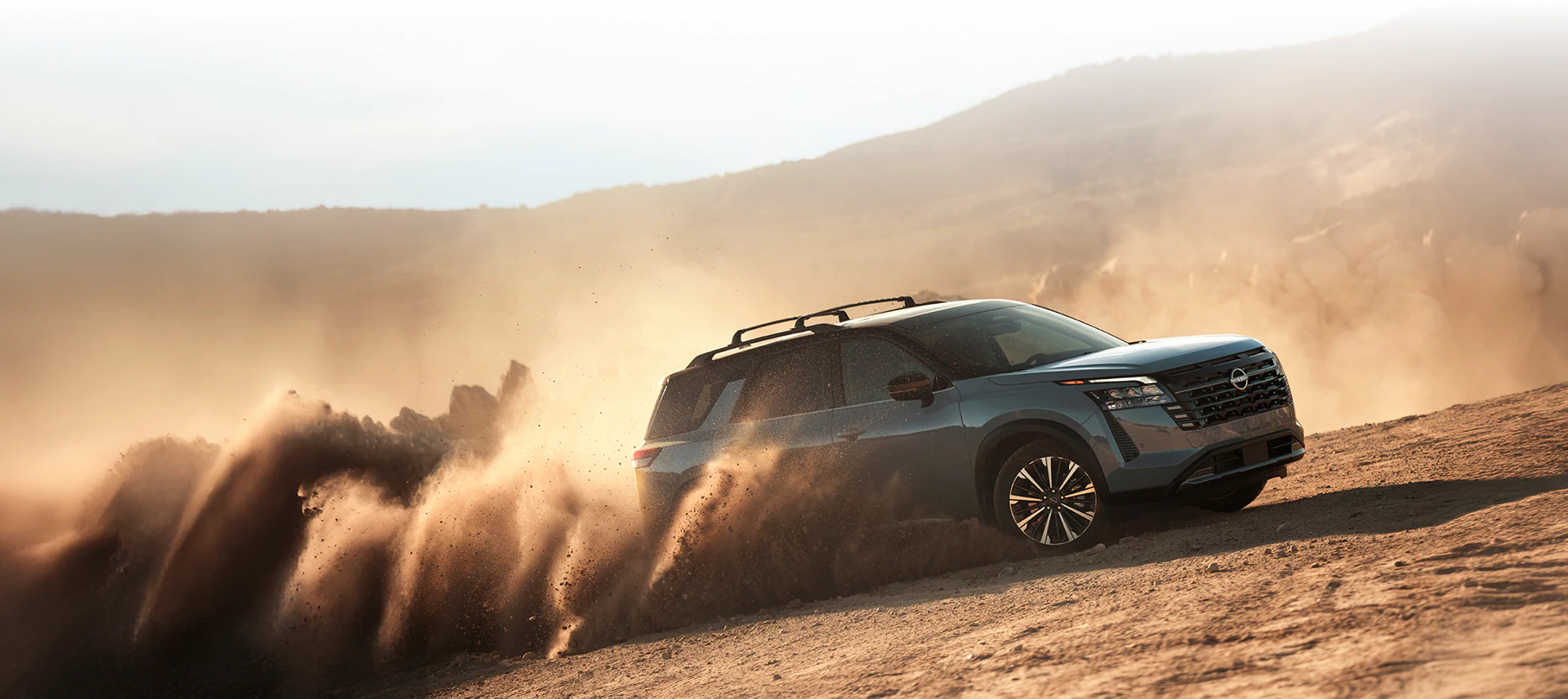
Arizona is about as tough a test as a car can face. Sustained, dry, triple-digit heat for months, intense direct sun, and pavement that adds even more thermal load on top of the air temperature. The vehicles that hold up here share a few traits: reliable A/C systems, heat-tolerant interiors, and simple, well-supported mechanicals that don't turn into a saga every time something needs a repair.
This is where a lot of Nissan's lineup earns its reputation. The Nissan Pathfinder, with its V6 and roomy cabin, is a common sight on long, hot Valley commutes for a reason. The Nissan Frontier and Titan hold up well for buyers who need towing or hauling capability without the heat getting the better of the cabin, especially in trims with available cooled seats. And the Nissan Armada and Rogue both offer the kind of dual-zone climate systems and cabin insulation that make a real difference on a 115-degree day in Surprise or Peoria.
Curious which one actually fits your driveway and your commute? Schedule a test drive and feel the A/C for yourself before you decide on paper.
What "Reliable in Hot Weather" Actually Means
"Reliable" in Seattle and "reliable" in Phoenix aren't quite the same thing. A car can have a great reputation nationally and still have heat-specific weak points, usually the battery, the A/C compressor, or the cooling system.
A genuinely reliable car in hot weather tends to have low rates of A/C-related repairs, a cooling system that doesn't struggle in stop-and-go desert traffic, and an electrical system engineered with heat in mind rather than as an afterthought. Nissan has decades in hot markets, from the Southwest to the Middle East, to build around exactly these weak points, which is part of why so many Valley drivers end up back in a Nissan when it's time to replace one.Related read: Which Nissan Models Last the Longest?
If your current car is showing its age every summer, that's usually worth more toward something newer than you'd expect. Value your trade-in in a couple of minutes and see where you land before you decide what's next.
The Bottom Line
Heat doesn't announce itself the way a check engine light does. It just quietly wears a car down; a battery that dies a year early, an A/C compressor that starts struggling in its third summer, trim that fades ahead of schedule. If you're shopping in the Valley, treat heat tolerance as a real buying criterion, right up there with price and mileage.
Already have a Nissan and just need it running the way it should?
Coulter Nissan's Service Center in Surprise can check refrigerant levels, replace a tired cabin filter, and make sure everything's ready before the next heat wave hits. Right now, the Summer Special covers an alignment check, A/C evac and recharge (up to 1 lb. of freon included), a new cabin air filter, and a battery test, all for $179.95. Schedule your service appointment online and get ahead of it before triple digits hit again.
Ready to stop fighting your car's A/C every summer?
Browse Coulter Nissan's current inventory, check today's specials, or get pre-qualified for financing before you come in, so all that's left to do is pick a color and drive off the lot.
Frequently Asked Questions
What's the best type of car for extreme heat? There's no single model that wins for everyone, but the traits matter more than the badge: a climate system rated for sustained high temperatures, available ventilated seats, heat-rejecting glass, and a cooling and electrical system with a real track record in hot climates rather than just good numbers on a spec sheet.
Do certain Nissan models handle Arizona heat better than others? Yes. Models like the Pathfinder, Armada, and Rogue come with dual-zone or tri-zone climate control that recovers quickly after sitting in the sun, and higher trims across the Frontier, Titan, and Armada add ventilated seats, which make a bigger difference on a 115-degree day than most buyers expect.
How often should I get my A/C checked in Arizona? Once a year, ideally before the heat really sets in each spring. Arizona's dust and monsoon season also make it worth checking your cabin air filter more often than the owner's manual suggests, since a clogged filter can make a healthy A/C system feel weak.
Can extreme heat actually damage my car, or is it just uncomfortable? It's more than discomfort. Sustained heat shortens battery life, ages fluids faster, stresses the A/C compressor, and dries out rubber seals and interior trim. None of that shows up overnight, but it adds up to real repair costs over a few summers.
Is it worth replacing an older car specifically because of the heat? Not always right away. If the A/C is struggling, that's often a repair, not a replacement. But if you're consistently dealing with battery failures, A/C repairs, or interior wear every summer, it may be worth getting your trade-in value to see what upgrading would actually cost.
Related read: Trade-In Secrets: How to Get More Money for Your Car