

Winter Tire Guide from Coulter Nissan: Tire Pressure, Timing & Smart Seasonal Tips
As Phoenix residents, we’re used to sunshine and smooth(ish) roads, but winter road trips are a different story. Whether you’re heading up to Flagstaff’s Snowbowl for skiing or driving through snowy states this holiday season, your tires play a major role in how your Nissan performs.
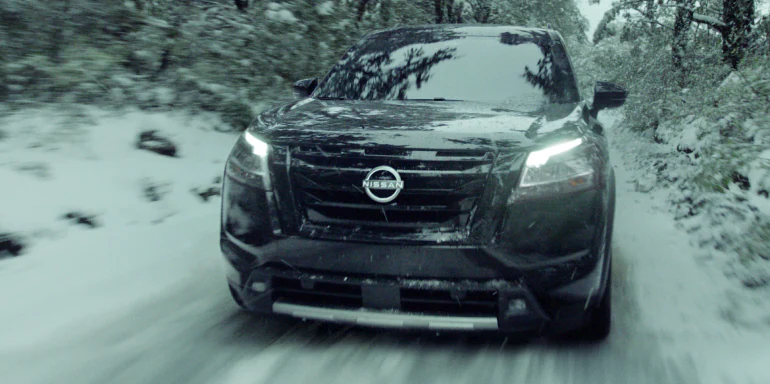
To help you stay confident and safe on snowy, slick, or icy roads, we put together this quick guide to tire pressure, winter tire timing, and smart safety habits.
Why Winter Tire Pressure Drops (and Why Phoenix Drivers See Sudden TPMS Warnings)
Cold air lowers tire pressure, which is measured in pounds per square inch. For every 10 degrees the temperature drops, tires lose roughly 1 PSI. That means a drive from Phoenix, where it's 70, to Flagstaff, where it's 30, can trigger your Nissan’s Tire Pressure Monitoring System (TPMS) light. That's the one that looks like a horseshoe with an exclamation point inside. It comes on when one or more of your tires is significantly underinflated.
It's Essential to Check Tire Pressure More Often in Winter
- Every two weeks in cold climates
- Before any mountain or long-distance trip
- Always when tires are cold, not after driving
Proper tire pressure is essential for safety on the road. Underinflated tires have less traction, which increases the danger of sliding on slippery roads. Low tire pressure also reduces braking effectiveness, so it will take longer and farther to stop. Finally, low pressure affects your fuel economy and is hard on your tires; they'll wear out much faster than they should.
Following the PSI listed in your vehicle's manual or on your driver’s side door jamb (look for the sticker) ensures the best performance for your Rogue, Kicks, Altima, or Pathfinder. In most cases, it ranges from 30 to 35 PSI, but every vehicle is slightly different.
Pro tip: There's a PSI number stamped on the sidewall of every tire. Ignore it. That's the maximum pressure the tire can hold, not what's recommended for daily driving.
Why Proper PSI Matters
- Better traction and grip on slick roads
- Shorter stopping distances
- Improved AWD control
- Longer tire lifespan
So, how do I check my tire pressure?
First, you need a tire pressure gauge. There are three kinds: stick, dial, and digital.
Stick gauges are the most common. They are about the size of a pencil and the perfect size for your glove box. This kind of gauge has a rod that slides out of the valve. Stick gauges can be hard to read, and are not always precise.
A dial gauge is a little bulkier and more expensive, but much easier to read. It looks like the gauge on a blood pressure cuff; a hand points to the pressure.
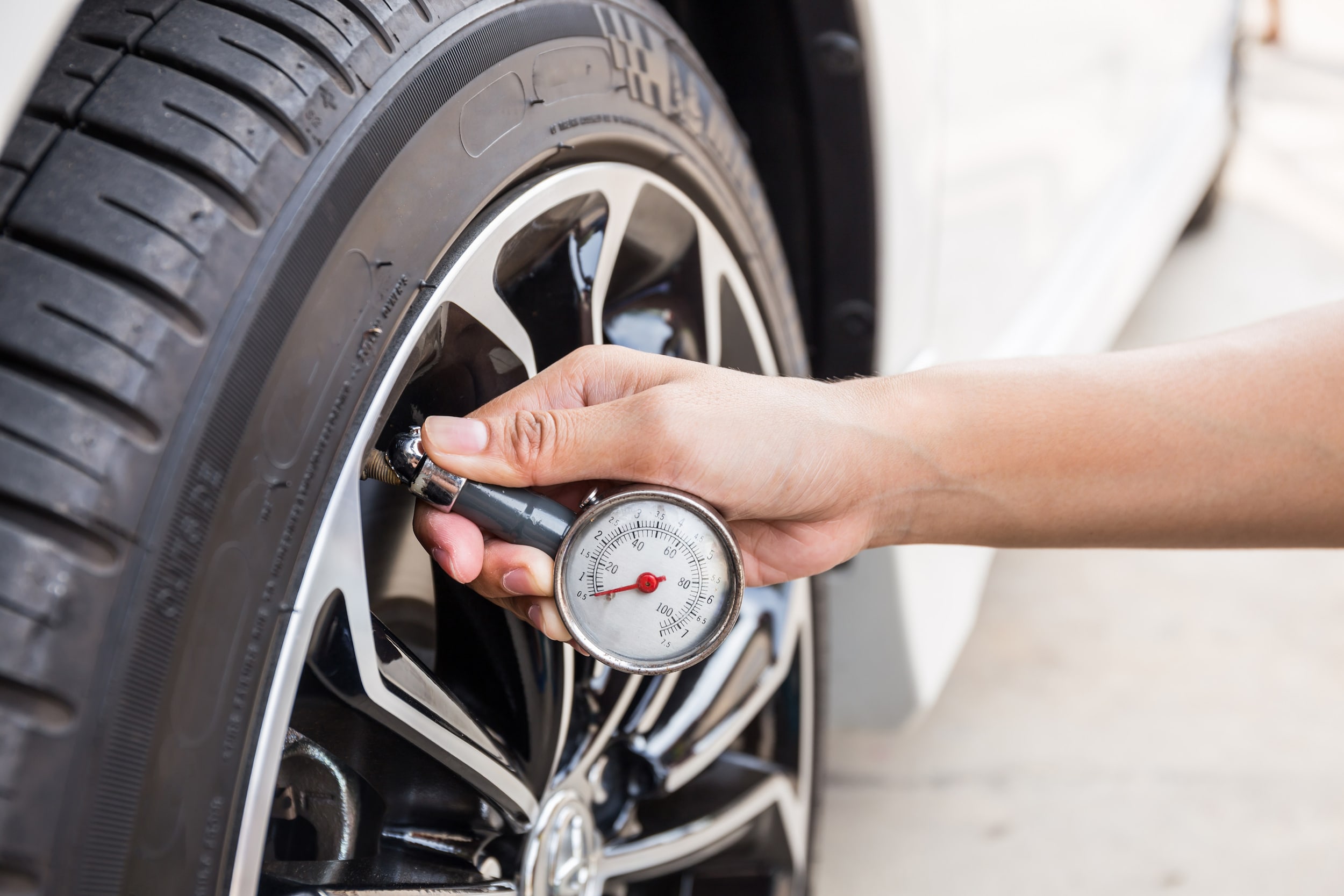
A digital gauge is the most accurate and easiest to read, but it requires batteries or charging.
To check your tire pressure, remove the valve stem cap and press the gauge firmly to the stem. You should hear a short hiss, just a quick puff of air.
If you hear a long hiss, the gauge does not have a good seal on the valve, so air is escaping. Reposition the gauge and try again. You might need to press harder to get a tight seal so you get an accurate measurement.
Remember to put the cap back on the valve stem when you're finished.
If you need help or your TPMS light comes on, our technicians can inspect and adjust your tires quickly, no appointment needed.
When to Install Winter Tires (and When to Switch Back)
Winter tires aren’t just for heavy snow. They’re engineered for cold temperatures, staying flexible when all-season tires stiffen and lose traction.
Install Winter Tires When:
- Daily temps consistently stay below 45°F
- You frequently drive to Flagstaff, Payson, Show Low, Colorado, Utah, or other snowy regions
- You want the safest braking and steering performance on icy or slushy roads
Switch Back to All-Season Tires When:
- Daytime temps remain above 50°F in early spring
Valley drivers don’t usually need winter tires for everyday use, but if you take regular winter road trips, a dedicated winter set is one of the smartest upgrades you can make. Rely on our Comprehensive tire service at Coulter Nissan.
All-Season vs. Winter Tires: What’s Best for Your Nissan?
All-Season Tires
- Great for Phoenix weather
- Good for rain and mild winter conditions
- Not ideal for icy mountain driving
Winter Tires
- Provide superior grip on cold pavement
- Improve traction, braking, and steering
- Shorten stopping distances in snow/ice
- Enhance AWD capability on models like Rogue, Murano, and Pathfinder
Related: Winterizing Your Nissan: Essential Tips for Arizona Drivers
If you’re not sure which option is best, our expert service advisors can recommend tires for your Nissan model and your winter driving habits.

Bonus Safety Tips for Nissan Drivers
Warm-Up Tips
Modern Nissan engines only need 30–60 seconds of warm-up. Long idling doesn’t help performance and wastes fuel.
Pack a Basic Winter Road Kit
Keep these in your trunk if you're heading into snowy areas:
- Tire pressure gauge
- Portable air compressor
- Blanket + emergency snacks
- Jumper pack
- Phone charging cable
- Ice scraper
Remember: AWD Helps You Go. Winter Tires Help You Stop
If you rely on AWD alone, you still risk sliding. Winter tires provide the braking stability that AWD systems can’t.
Get Winter-Ready at Coulter Nissan
Whether you need a free tire inspection, a winter tire quote, or want to prep your Nissan before a winter trip, our certified technicians are here to help.
- Fast appointments & walk-ins welcome
- Nissan-approved winter tire options
- Convenient location
- Friendly, expert service team
Schedule your service today and travel with confidence this winter.